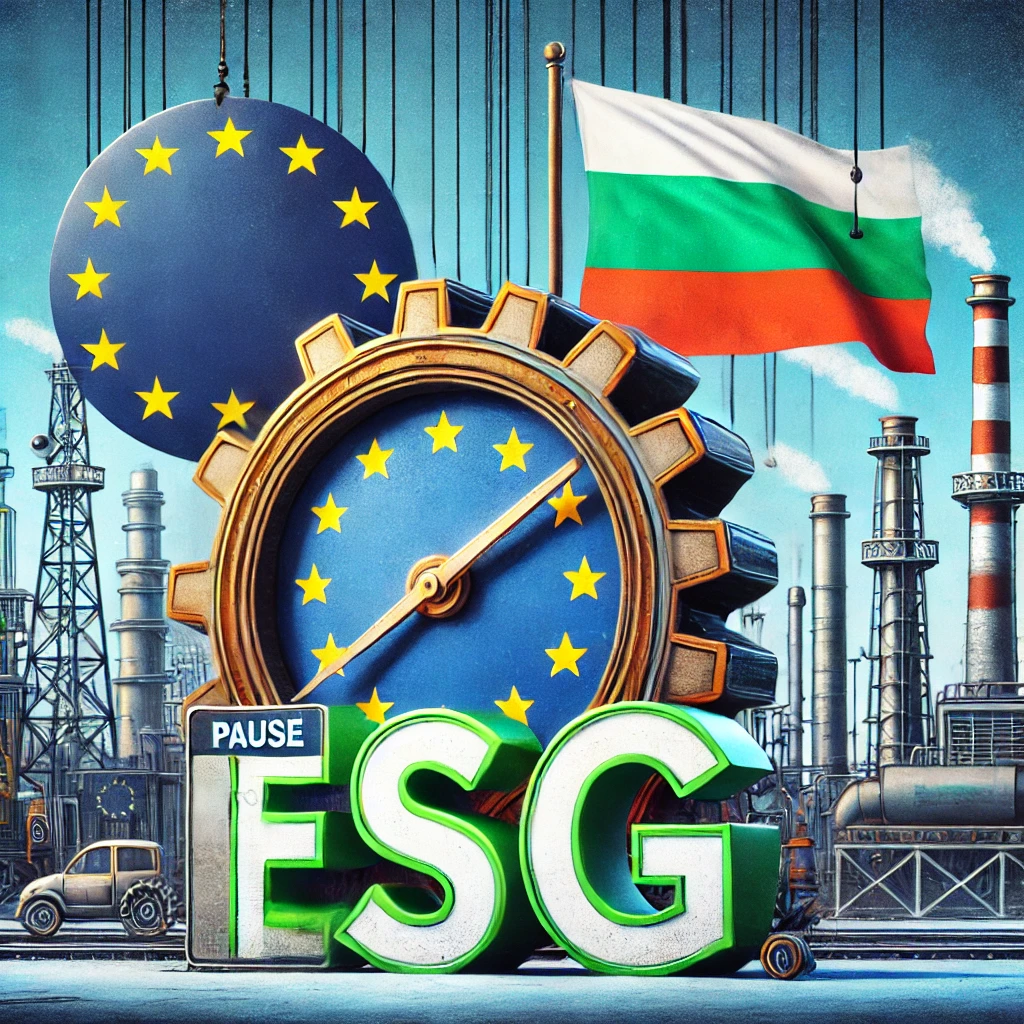
Less than a year after their adoption, the implementation of the sustainability reporting policies established at the European and national levels is being put on pause. Delaying or canceling Environmental, Social, and Governance (ESG) regulations can have significant consequences for businesses, society, and the environment. Here are some key potential impacts:
Economic Consequences
- Uncertainty for Businesses – Companies that have already invested in sustainable practices may face uncertainty about future requirements, potentially slowing further investments.
- Limited Access to Capital – Investors increasingly demand ESG compliance. Without regulations, businesses that do not adhere to ESG standards may find it harder to secure funding.
- Loss of Global Competitiveness – Other regions (such as the EU) continue to develop stringent ESG policies. If a country or economic bloc delays regulations, local businesses may lose their competitive edge in international markets.
Environmental Consequences
- Slower Progress Toward Sustainability – Without regulations, companies may lack the incentive to reduce carbon emissions, adopt renewable resources, or minimize pollution.
- Worsening Climate Crisis – ESG regulations often include decarbonization and environmental protection targets. Their delay or removal could lead to increased emissions and biodiversity loss.
- Higher Environmental Risks – Companies without regulatory pressure may neglect risks such as chemical spills, deforestation, or excessive water usage, leading to long-term environmental damage.
Social Consequences
- Weaker Worker Protections – ESG regulations often include labor standards and measures against exploitation. Their cancellation could result in deteriorating working conditions.
- Greater Inequality and Social Unrest – ESG policies promote corporate social responsibility. Without them, companies may reduce their focus on diversity, inclusion, and ethical governance.
- Negative Impact on Public Health – Weaker regulations on industrial pollution and air quality may lead to more health problems, particularly in vulnerable communities.
Political and Reputational Consequences
- International Pressure and Sanctions – Countries or companies that do not comply with ESG regulations may face trade restrictions or sanctions from other nations.
- Loss of Consumer Trust – Consumers increasingly prefer sustainable and ethical products. Companies that ignore ESG principles may lose customers and market share.
- Increased Activism and Public Pressure – The absence of ESG regulations could trigger stronger protests, lawsuits, and public scrutiny against corporations and governments.
Conclusion
While delaying ESG regulations may reduce short-term costs for businesses, the long-term consequences—economic, environmental, and social—could be significantly more damaging. The key issue is not whether ESG regulations will become the norm, but when and how they will be implemented to balance sustainability with economic growth.